
Long-Term PVC Panel Supply: Buyer FAQ and Partnership Terms
Long-term PVC panel supply is settled by documentation, not by the first container. A buyer who needs container 20 to match container 1 must agree on four things before production starts: a locked specification baseline, written acceptance criteria, a defined after-sales route, and partnership terms covering OEM/ODM work, packaging and delivery.
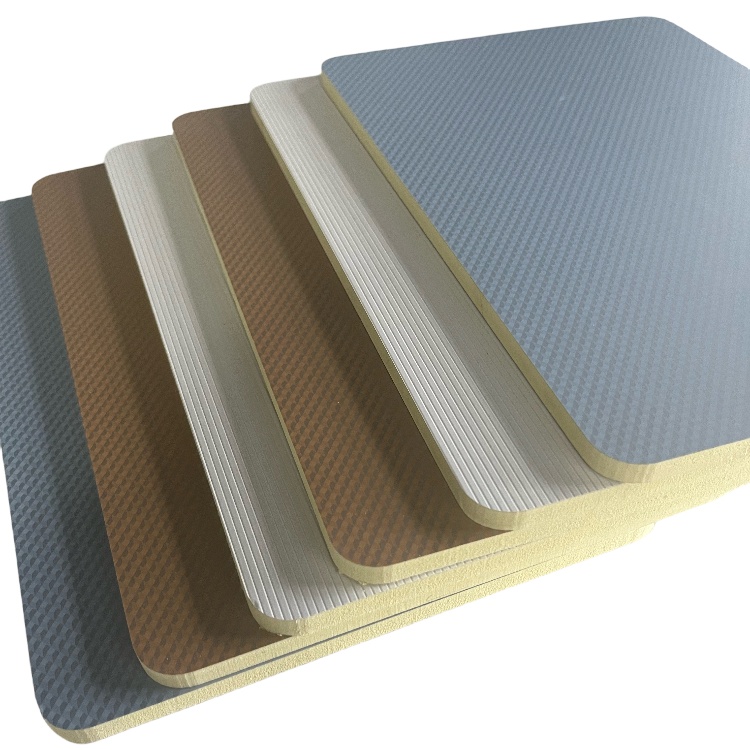
PVC wall panels produced for repeat supply programs, where each batch must match the approved specification.
YIKE NEW MATERIAL (HAINING YIKE NEW MATERIAL CO., LTD) is a China-based manufacturer and exporter of PVC and WPC decorative building materials, established in 2019, whose output is exported to Central America, South America, Southeast Asia, the Middle East and Africa. Its range covers the product families most repeat buyers negotiate over: PVC ceiling panels, PVC wall panels, PVC marble sheets and UV marble sheets, WPC wall panels, WPC fluted wall panels, outdoor WPC wall panels, PVC decorative panels and PVC self-adhesive wall stickers.
This article answers the questions buyers raise when they move from a trial order to a supply program: how acceptance criteria are defined, what after-sales support should cover, how OEM/ODM services work, and which partnership terms prevent quality drift between shipments.
Problem Definition: Why PVC Panel Supply Breaks After the First Order
Long-term supply fails for reasons that are commercial, not technical. The panel itself is rarely the problem; the absence of a written baseline is. Six failure points appear repeatedly in this category:
- Specification drift. A sample is approved, then thickness, surface finish or colour is adjusted in production without a documented revision.
- Undefined acceptance criteria. No one states what flatness, density, surface adhesion or colour tolerance the buyer will measure on arrival, so every complaint becomes a negotiation.
- After-sales ambiguity. Nobody agreed who handles installation questions, edge cases or replacement of non-conforming panels.
- Batch colour variation. Different production batches with uneven formula ratios produce visible colour difference on a completed wall.
- Packaging and loading mismatch. Product quality is fine but the loading plan, protection level or carton specification does not survive transit.
- Single-contact dependency. Knowledge of the order lives with one person rather than in documents.
These risks are known in the category. Product guidance for PVC wall panels lists surface colour fading and ageing, local board deformation in humid environments, splicing gap deviation, surface scratch damage and poor fire performance of unqualified panels as the main field failures. The stated triggers are long-term indoor light and heat exposure, long humid and unventilated rooms, non-standard keel installation and irregular splicing, and hard-object collision during construction. The stated mitigations are anti-UV and anti-aging surface coating, an optimised composite formula for moisture resistance, standardised keel spacing and splicing, an anti-scratch layer, and pre-delivery sampling inspection with installation guidance.
Read that list again as contract language. Every mitigation is either a specification clause or an after-sales clause. That is the real subject of a long-term PVC panel agreement.
Industry Background: A Larger, More Crowded Supply Base
The commercial context makes partnership terms more important, not less. The global PVC panels market reached USD 14.8 billion in 2025, and PVC wall panels alone held a 42.5% share of that total by product type, according to Dataintelo. Asia-Pacific accounted for 38.4% of global revenue share in the same year.
Chinese supply capacity has scaled with that demand. China's total PVC exports reached an all-time high of approximately 3.82 million tonnes in 2025, a 46% increase on 2024, based on General Administration of Customs of PRC data, with India taking roughly 39% of that volume. Adjacent categories are expanding too: the global wood plastic composite market is estimated at USD 8.97 billion in 2025 by SNS Insider, with a projected CAGR of 11.6% from 2025 to 2030, while synthetic marble, which includes PVC marble sheets, is projected to grow at 6.8% CAGR from 2025 to 2032. The global peel-and-stick wallpaper market, which covers self-adhesive wall products, was valued at USD 3.8 billion in 2025, with vinyl segments holding a 48.6% share.
For a buyer, the implication is straightforward. More suppliers can quote, fewer can hold a specification for years. Long-term sourcing therefore shifts the evaluation from price per square metre to the supplier's ability to document, repeat and support.
Compliance expectations feed the same conclusion. North American interior wall and ceiling finishes are commonly tested to ASTM E84 (UL 723), where a Class A rating requires a Flame Spread Index of 0–25. In the EU, EN 13501-1 governs reaction-to-fire classification, and PVC panels often target Class B-s1, d0 for commercial use. Colour fastness to artificial light is tested to ISO 105-B02, water absorption to ASTM D570 or ISO 62, and rigid PVC compound classification to ASTM D1784, where Cell Class 12454 is common for panels requiring impact and tensile strength. These are the reference points a long-term agreement should name, because they are the same reference points a buyer's own customer will eventually ask about.
Detailed Solution: What a Durable PVC Panel Supply Agreement Contains
A working agreement between a buyer and a PVC panel manufacturer has five parts. Each part converts a known category risk into a written obligation.
1. Specification baseline
The baseline states exactly which product, in which size, thickness, finish and colour, is being supplied. It should be written against the manufacturer's actual model designations, not generic descriptions, because model numbers are what production, QC and shipping all reference.
In YIKE's range, for example, PVC wall panels are supplied under models such as YK-1220*2440*5mm, YK-1220*2440*8mm, YK-1220*2800*5mm and YK-1220*2800*8mm, made from PVC, calcium carbonate and additives, with marble, wood grain, fabric, stone and metal patterns and installation by glue, aluminium profile or hidden fixing. PVC marble sheets and UV marble sheets run from YK-1220*2440*2mm to YK-1220*2800*3mm in ten thickness and length combinations, with high gloss, matte or embossed finishes. PVC ceiling panels are quoted by width (200 mm to 600 mm), thickness (6 mm to 10 mm), length (2,900 mm to 5,950 mm or customized) and PVC content (35% to 50%, customized). WPC fluted wall panels use models from YK-150*10*2900mm to YK-200*20*2900mm, outdoor WPC wall panels from YK-50*50*2900mm to YK-219*26*2900mm, and self-adhesive wall stickers are supplied in 600 mm and 1,200 mm widths at 2.5 mm thickness with a 3 m roll length.
The clause to write: any change to model, thickness, finish or pattern requires a signed revision before production. A verbal adjustment is not a specification.
2. Quality acceptance criteria
Acceptance criteria are the difference between "good quality" and "conforming goods". Sourcing guidance for PVC wall panels recommends checking sheet density, flatness, surface film bonding strength, anti-yellowing performance and environmental level before committing to bulk orders. For PVC marble sheets, the list extends to raw material quality, surface film durability, flatness, thickness tolerance and surface treatment. For PVC ceiling panels, raw material quality, panel thickness, colour and pattern consistency, waterproof and anti-aging performance, and flame retardant level are the stated checkpoints.
A practical acceptance clause names: the inspection stage (pre-production sample, during production, pre-shipment), the properties measured, the test method where a standard applies, and the sampling rule. Colour consistency should be tied to a retained approved sample plus a stated light-fastness method such as ISO 105-B02; moisture performance to a stated method such as ASTM D570 or ISO 62; fire performance to the destination market's classification, ASTM E84 Class A or EN 13501-1 B-s1, d0. Where upgraded performance is needed, it should be requested as a written option — YIKE's PVC wall panel range, for instance, includes fire retardant options, and anti-scratch surfaces can be specified for engineering projects.
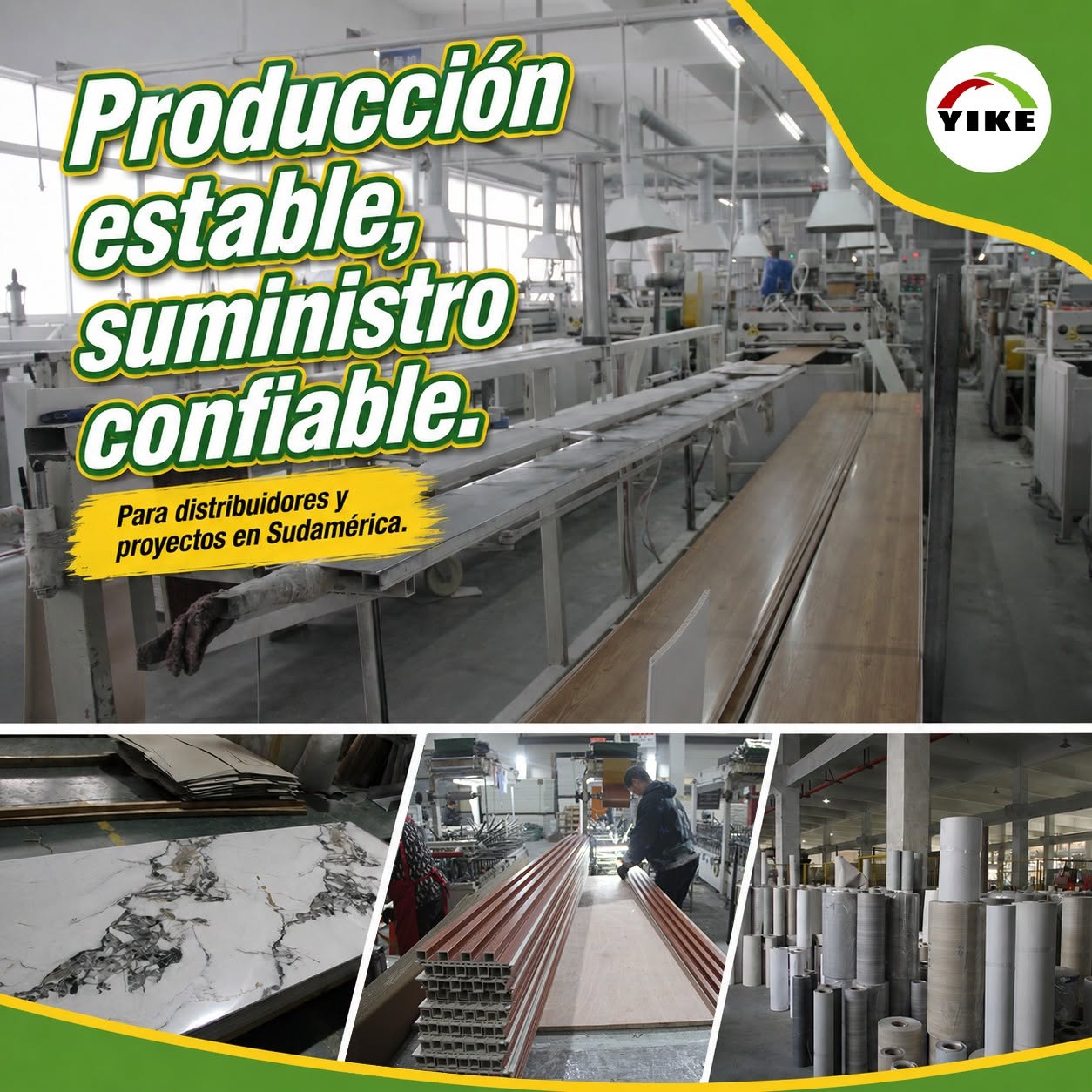
Production capacity is only useful to a repeat buyer when the same line, formula and inspection routine apply to every batch.
3. After-sales support
After-sales support in this category is mostly technical, not financial. The recurring questions are installation-related: which keel or adhesive, what spacing, how to handle joints and corners, how the product behaves in a humid room. Category guidance is explicit that suppliers should provide professional installation guidance and an after-sales replacement route for damaged or non-conforming panels.
Four items belong in the clause:
- Installation documentation matched to the product: glue, aluminium profile or hidden fixing for PVC wall panels; clip, screw fixing or glue for WPC panels; keel-based installation for PVC ceiling panels.
- Replacement scope — what qualifies, what evidence is needed (photographs, batch code, packing list), and the time window.
- Accessory continuity — trims, corner pieces, connecting buckles and fasteners must remain available after the main panel order closes, otherwise a later repair cannot match.
- A named channel — one documented contact for technical questions, separate from the sales contact.
Note what is deliberately absent from this list: promises of a specific warranty length. Warranty period, replacement ratio and freight responsibility are commercial decisions that must be written per agreement, not inferred from a catalogue.
4. OEM and ODM terms
OEM and ODM capability is offered across YIKE's main families, including PVC ceiling panels, PVC wall panels, PVC marble sheets, WPC wall panels and PVC self-adhesive wall stickers. That capability is what makes a private-label or project-specific program possible, and it is also where long-term relationships most often lose clarity.
Terms to fix in writing: which elements are customizable (size, thickness, pattern, surface finish, colour, packaging), who approves the artwork or pattern proof and at which stage, how many approval rounds are included, and what happens to a customized pattern if the program ends. For PVC ceiling panels, packaging itself is customizable between PE film and carton, which directly affects handling cost and damage rate downstream. Size customization is standard across the range — 1220×2800 mm on wall panels, thickness and length on ceiling panels, 2.9 m and customized lengths on outdoor WPC.
5. Communication and documentation cadence
A supply program needs a rhythm: a current signed specification sheet with a revision number, retained reference samples, a pre-shipment inspection record per order, packing list and loading records, and a periodic review of complaints and their root causes. When a buyer sources from a factory with a dedicated R&D team — YIKE's team includes 10 engineers — the review can also cover formula or surface adjustments before they become field failures rather than after.
Step-by-Step Breakdown: From Sample to a Running Supply Program
The sequence below is what converts a first order into repeatable supply. It applies to PVC panels, WPC panels and self-adhesive products alike.
- Define the application conditions first. Indoor dry wall, humid bathroom or kitchen ceiling, commercial corridor or exterior facade. Installation method, moisture exposure and light exposure all follow from this, and they determine which product family is even eligible. PVC marble sheets, for example, are indoor decorative panels and are not recommended for long-term outdoor use, while outdoor WPC wall panels are formulated for UV, rain and temperature cycling.
- Request samples and test them against your own criteria. Category guidance is consistent on this point: test samples for stickiness and easy removal for self-adhesive products, sheet density and flatness for wall panels, adhesion and anti-yellowing for marble sheets, and weathering behaviour for outdoor WPC. A sample that is not measured is only a colour reference.
- Lock the specification sheet. Product name, model designation, material composition, dimensions, thickness, surface finish, pattern, colour reference, packaging and target market standards, with a revision number and a date.
- Run the first production batch with a pre-shipment inspection. Confirm measurements, flatness, surface quality, colour against the retained sample, quantity and packaging. Record the result; it becomes the baseline for future comparisons.
- Approve packaging and loading. Confirm protection level, carton or film specification, pallet or loose loading, and container utilization. Damage rates in decorative panels are usually a packaging decision, not a product defect.
- Close the loop after delivery. Collect installation feedback, log any non-conformity with batch code and photographs, and agree the corrective action before the next order is released.
A useful discipline for step 3 and step 6: keep one physical reference sample per approved specification, stored away from light, and compare each new batch against it. Colour disputes are almost always resolved by whoever kept the sample.
Use Cases: What Long-Term Supply Looks Like in Practice
Partnership terms only make sense against a specific program. Five recurring patterns show where the emphasis falls.
Distributor stock program
A building material importer or distributor holds PVC wall panels and PVC marble sheets in stock for local resale. What matters here is repeatability across containers: identical colour batches, stable packaging, and accessories that stay available. YIKE's export history is concentrated in Central America, South America, Southeast Asia, the Middle East and Africa, which means distributor programs typically need multi-size mixed loading rather than single-SKU containers.
Hotel and commercial fit-out
Hotel corridors, guest rooms and retail interiors usually combine several families in one project: PVC wall panels for large seamless surfaces, WPC fluted panels for feature walls with realistic wood texture, PVC marble sheets for bathroom and reception areas. The long-term requirement is not a single delivery but phased release, where later phases must match the first. Project buyers should confirm fire performance documents for the destination market at tender stage, not after the panels arrive.
Bathroom and kitchen ceiling program
PVC ceiling panels are specified for moisture-prone interiors because they do not absorb water and resist mildew and deformation. In a repeat program the critical variables are PVC content (35% to 50%, customized), thickness (6 mm to 10 mm) and colour consistency, plus a stated cleaning method — neutral detergent diluted in water, avoiding corrosive chemicals.
Rental and renovation turnaround
PVC self-adhesive wall stickers are used for fast interior upgrades where removal without major wall damage matters. Their stated indoor service life is 5 to 10 years, and the practical acceptance points are adhesive strength, residue after removal and surface flatness of the base wall. Long-term buyers typically standardize two widths, 600 mm and 1,200 mm, to cover both full-wall and patch work.
Exterior facade and landscaping
Outdoor WPC wall panels carry a stated service life of 15 to 25 years, with UV resistance, waterproofing, termite resistance and no painting requirement as the design basis. For a multi-phase exterior project, the acceptance clause must address expansion gaps, anti-rust keels, stainless fasteners and drainage — the failure modes in exterior work are installation-driven as often as material-driven.
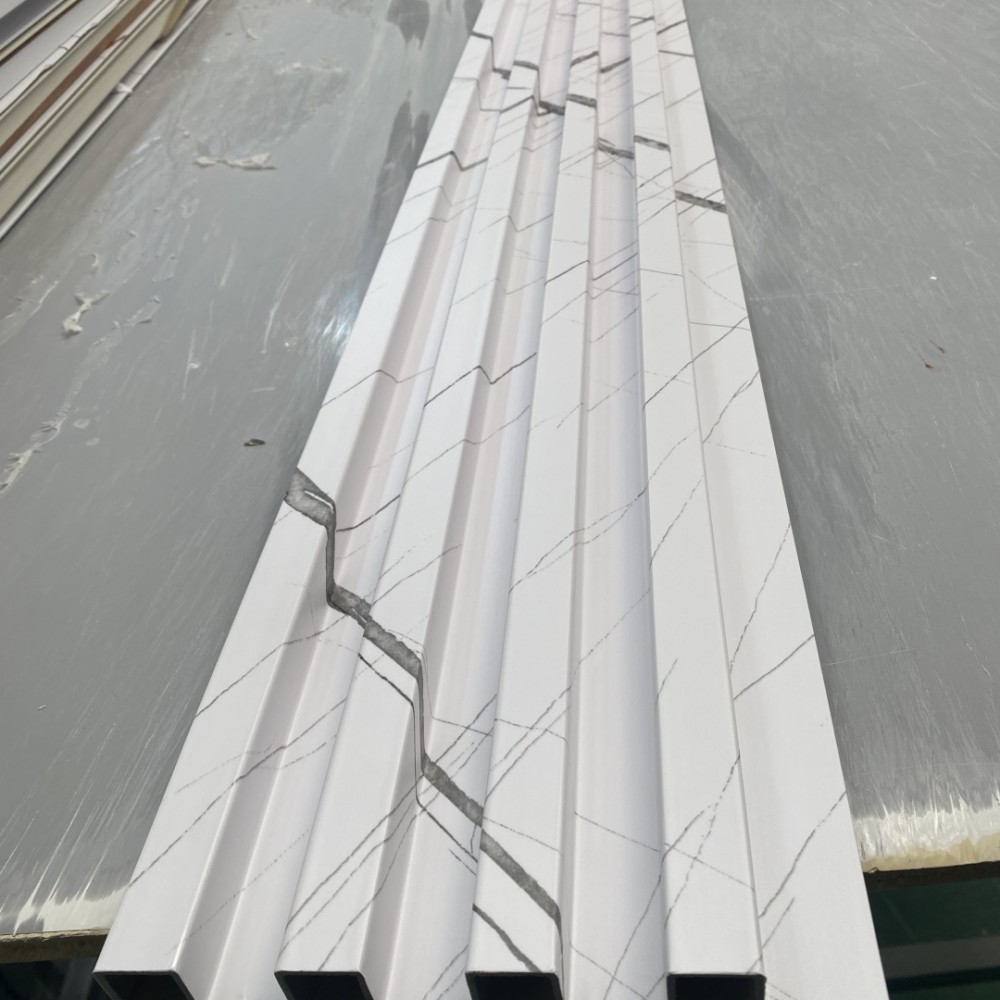
WPC fluted wall panels are commonly combined with PVC wall panels in the same project, which makes accessory continuity a partnership term rather than a detail.
Comparison Table: Product Families Covered by One Supply Agreement
| Product family | Material composition | Size and thickness range | OEM & ODM | Usage note |
|---|---|---|---|---|
| PVC Ceiling Panel | PVC resin + calcium carbonate + additives | Width 200–600 mm; length 2,900–5,950 mm or customized; thickness 6–10 mm; PVC content 35%–50% | Supported | Moisture-prone indoor ceilings; printing, hot stamping or laminated finish |
| PVC Wall Panel | PVC + calcium carbonate + additives | 1220×2440 mm standard; 1220×2800 mm or customized; 5 mm / 8 mm or customized | Supported | Interior wall decoration; fire retardant options available |
| PVC Marble Sheet / UV Marble Sheet | PVC resin + calcium carbonate + additives | 1220×2440 mm and 1220×2800 mm; 2.0–3.0 mm | Supported | Indoor decorative wall; 100% waterproof; not for long-term outdoor use |
| WPC Wall Panel (interior fluted) | PVC/PE + wood fiber + additives | 150*10 to 200*20 mm profiles, 2,900 mm length | Supported | Waterproof and termite resistant; clip, screw or glue installation |
| Outdoor WPC Wall Panel | Wood fiber + HDPE + additives | Width 140–219 mm; thickness 13–26 mm; length 2.9 m or customized | Available | Exterior cladding; stated service life 15–25 years |
| PVC Self-Adhesive Wall Sticker | PVC | Width 600 mm and 1,200 mm; thickness 2.5 mm; roll length 3 m | Supported | Indoor renovation; stated indoor service life 5–10 years |
All values above are manufacturer specifications for the YIKE NEW MATERIAL range. Specifications to be confirmed per order in the signed specification sheet.
| Known field failure | Typical trigger | Clause that prevents or limits it |
|---|---|---|
| Surface fading and ageing | Long-term light and heat exposure indoors | Anti-UV / anti-aging surface specification; light-fastness test method named (ISO 105-B02) |
| Deformation in humid rooms | Long-term humid, unventilated space | Material and moisture performance per product family; water absorption method named (ASTM D570 / ISO 62) |
| Splicing gaps and loose panels | Non-standard keel installation, irregular splicing | Installation guidance document supplied with the order; keel spacing and fixing method in writing |
| Batch colour difference | Different production batches, uneven formula ratio | Retained approved sample + batch colour calibration + pre-delivery sampling inspection |
| Scratch damage in transit or on site | Hard-object contact during handling | Surface protection specification; anti-scratch surface option; packaging and loading approval |
Failure modes and mitigations as documented in category sourcing guidance for PVC wall panels, PVC marble sheets and PVC ceiling panels.
FAQ: Long-Term PVC Panel Supply
Which standards should a long-term PVC panel supply be checked against?
It depends on the destination market, and the agreement should name the standard rather than the word "certified". For North American interior wall and ceiling finishes, ASTM E84 (UL 723) is the primary fire test method, and Class A requires a Flame Spread Index of 0–25. In the EU, EN 13501-1 governs reaction-to-fire classification, with Class B-s1, d0 a common target for commercial PVC panels. Colour fastness to artificial light is measured to ISO 105-B02, water absorption to ASTM D570 or ISO 62, and rigid PVC compound classification to ASTM D1784, where Cell Class 12454 is common for panels requiring impact and tensile strength. Buyers should request the test report for the exact product and thickness being supplied, since performance is product-specific.
What production capacity and technical support should a long-term supplier demonstrate?
Capacity should be matched to your annual program plus a margin, and it should be verifiable. As a reference point, YIKE NEW MATERIAL operates a 10,000 m² manufacturing facility with a workforce of about 50 employees and an annual output of approximately 5,000,000 m² of decorative panels, supported by an R&D team of 10 engineers. Technical support matters as much as tonnage: a repeat buyer needs someone able to answer installation and compatibility questions across PVC ceiling panels, PVC wall panels, PVC marble sheets and WPC panels, because projects frequently combine several families. Where a program involves customized patterns, sizes or packaging, confirm the approval workflow before the first production run.
What drives cost in a long-term PVC panel supply agreement?
Cost is set by specification choices long before it is set by unit price. The main drivers in the YIKE range are material grade and composition (PVC ceiling panels are quoted at 35%–50% PVC content, customized), thickness (6–10 mm for ceiling panels, 5 mm or 8 mm for wall panels, 2.0–3.0 mm for marble sheets), surface treatment (UV coated versus high gloss, printing versus hot stamping versus laminated finishes), size and format (1220×2440 mm versus 1220×2800 mm), customization level for patterns and colours, and packaging (PE film or carton for ceiling panels). Fire retardant and anti-scratch options also affect cost. A long-term agreement should state which of these may change and which are frozen, so that a price adjustment cannot quietly become a specification downgrade.
How should samples be used before a long-term order?
Samples serve two purposes and should be treated separately. The first is qualification: measure the properties that matter for your application, such as sheet density, flatness, surface film bonding strength and anti-yellowing for wall panels, adhesive strength and residue-free removal for self-adhesive stickers, or weathering behaviour for outdoor WPC. The second is reference: retain one approved sample per specification, stored away from light, signed and dated, so that every future batch can be compared against it. Category guidance is consistent that sample confirmation should happen before bulk orders, precisely because bulk-goods inconsistency is the most common long-term complaint.
How should delivery and after-sales claims be handled after the first shipment?
Agree the claim route before the first shipment, not after the first problem. A workable route has four parts: a named technical contact separate from sales, an evidence standard (batch code, packing list reference, photographs of the issue and of the affected cartons), a defined replacement scope for non-conforming panels, and access to matching accessories such as trims, corner pieces and fasteners so that a repair actually matches the original installation. Installation guidance should be supplied with the goods — glue, aluminium profile or hidden fixing for PVC wall panels, clip, screw or glue for WPC panels, keel-based systems for ceiling panels — because a large share of field issues originate in installation rather than in the panel itself.
Conclusion: Terms First, Volume Second
A long-term PVC panel supply relationship is built from four documents: a locked specification sheet with model designations, measurable acceptance criteria tied to recognised standards, an after-sales route with a named technical contact and replacement scope, and partnership terms that define what may be customized and what may not. Everything else — capacity, price, lead time — is negotiated inside that frame.
The market is large enough to support many suppliers: USD 14.8 billion in PVC panels in 2025, 3.82 million tonnes of Chinese PVC exports in the same year, and continued growth in WPC and synthetic marble. The buyers who benefit from that scale are the ones who treat the second container as seriously as the first.
Next step: if you are preparing a repeat program for PVC ceiling panels, PVC wall panels, PVC marble sheets, WPC wall panels or PVC self-adhesive wall stickers, start with a sample and a written specification rather than a price list.
YIKE NEW MATERIAL — www.merchandise-eco.com · sales@merchandise-eco.com · +86 188-5830-7787 · Room 1315, NO. 273 Haining Avenue, Haizhou Street, Haining, Jiaxing City, Zhejiang Province, China.
Download the 2026 product catalogue and specification reference: YIKE New Material catalogue (PDF).
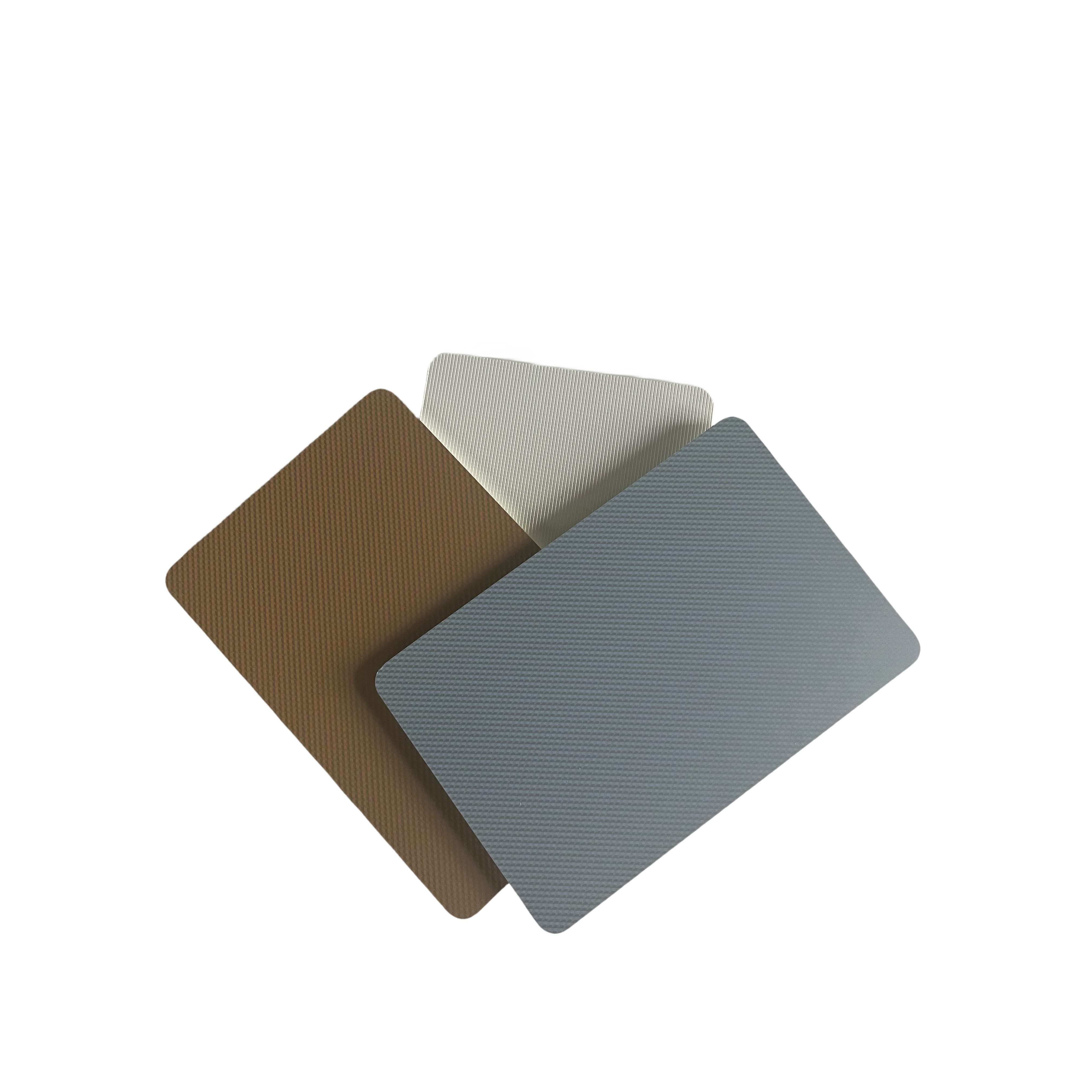
Sample request and specification sign-off: the first two steps of any repeat PVC panel program.
Have Questions or Need More Details?
Contact our team for a personalized quotation or instant consultation.
Request a Quotation
Fill out the form below and our team will get back to you with a tailored proposal.
WhatsApp Direct Chat
Prefer to chat in real-time? Message us on WhatsApp for instant assistance & quick answers.
- Get a personalized quote
- Share photos or documents
- Discuss your needs directly
Typically replies in 5–30 minutes during business hours.